


The summer has come and gone, and fall is beginning to settle into the bones of New York. I’m a month into having a seventh grader, nearly six months into being 40, and we are collectively one year into a global awareness of the 76-year-long genocide in Palestine. Somehow, these unrelated things feel like one big thing that I slowly understand bit by bit.
No one warns you how gut-wrenching it is to organize and advocate for people in Gaza. To know their stories intimately and watch them lose their families. To get panicked messages from them about their constantly and frighteningly changing reality. To witness the loss of essentials we take for granted every day.
No one warned me how deeply affected I would be, how I would carry rage in my heart parallel to the rage I already feel as a Black woman in America. How I would have to measure how much I can stomach each day so that I can continue to show up for my loved ones as a whole person.
No one tells you that you will look at your relationships differently as the months pass. How you will cling even more to family and people who feel like family because of the acute awareness of how quickly you can lose people. How you will opt out of the usual array of outings and events and grow a preference for alone time or for long phone calls with people you love who live too far away to hold.
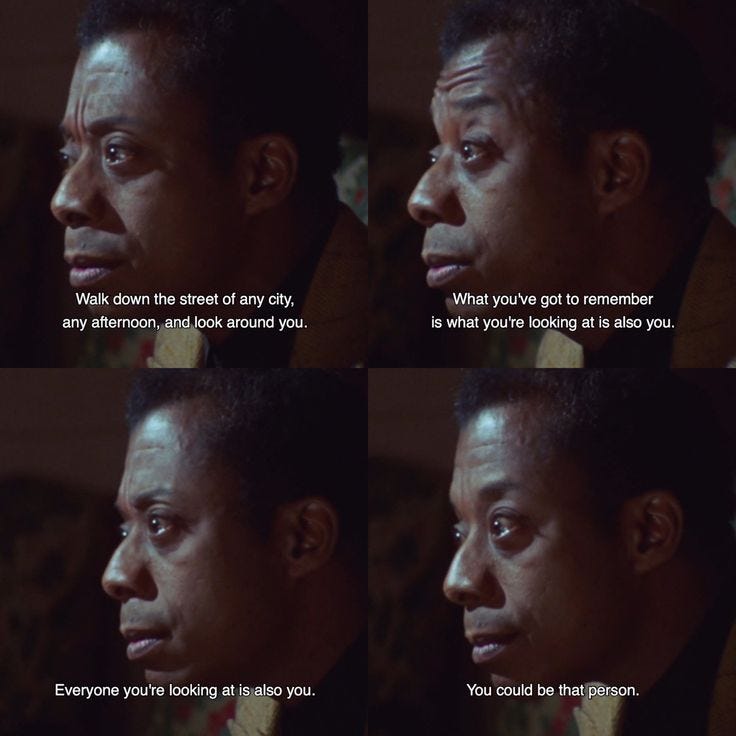
No one tells you how complex it feels to hold your privilege, your oppression, and your awareness in the same body. To understand that genocides are everywhere. They can be slow or fast. They can happen within months, over decades, or in an instant. They happen in the West Bank, Congo, Sudan, and the Sutter Avenue L station in Brooklyn.
In the last several months, I have expanded my definition of service and gratitude and grappled with my place as a writer. What good is the ability to tell stories if I only tell my own? What good is my vision if I only choose to see what’s comfortable? I don’t have answers, only questions.
My therapist tells me I’m doing a good job, that my awareness and persistence to understand are enough, that my rage is warranted, useful even. I remind myself of adrienne maree brown’s Pleasure Activism: The Politics of Feeling Good, and that self-liberation is the first and most vital step toward collective freedom. Nothing else can progress if we don’t, as individuals, know how to replenish what is stripped from us each day.
My definition of self-care has evolved, and I’m grateful for it. It never meant bubble baths and spa days or pampering myself with a Sephora shopping spree. Self-care has always meant returning home, but what has changed is my idea of “home.” Home is not just a sense of peace in my body but a sense of peace in my community. I can’t return to myself, my inner child if that child doesn’t feel safe. So my self-care is collective. I care for myself with the brutal discernment of a mother—someone who can’t lose her balance because there are people on her back. If it disturbs my footing, I simply can’t afford it.
My peace is collective; my care is collective.
“Self care is collective.” A necessary reminder. Thank you.
"What good is the ability to tell stories if I only tell my own?" Beautiful gentle and fierce. Thank you.